
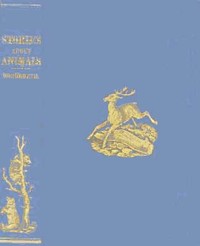
Stories about Animals: with Pictures to Match by Francis C. Woodworth
Let's set the scene: it's 1852. Charles Dickens is publishing, and the idea of teaching children through engaging stories is catching on. Into this world comes Francis C. Woodworth's 'Stories about Animals: with Pictures to Match.' This isn't a dry textbook. It's a series of short, standalone vignettes, each putting an animal in the spotlight.
The Story
There isn't one continuous plot. Instead, think of it as a storybook safari. You'll meet a hardworking beaver constructing its dam, a faithful dog saving its family, and even a humble earthworm going about its business, all framed as little narratives. Woodworth gives these animals thoughts and feelings, turning their natural behaviors—the squirrel storing nuts, the robin feeding its young—into tales of diligence, care, and instinct. The promised 'pictures to match' are period woodcuts, simple but full of charm, that bring these tiny dramas to life on the page.
Why You Should Read It
Reading this book is a unique experience. You're not just learning 1850s animal facts (though there's some of that). You're seeing how a writer from the past tried to connect his readers to nature through storytelling and gentle moral guidance. The voice is kind and patient. There's a real sense of wonder here, a desire to make the reader stop and observe the ant on the path or the bird in the tree. It’s less about scientific accuracy by today's standards and more about fostering empathy and curiosity. For me, the biggest charm is that cozy, earnest tone. It feels sincere, like a wise adult sitting you down to share something truly fascinating they've noticed.
Final Verdict
This book is a sweet niche read. It's perfect for lovers of historical children's literature, vintage book collectors, or anyone who enjoys simple, moral animal tales like Aesop's Fables. It's also a great peek into the mind of the 19th-century reader. If you're looking for fast-paced action or modern biology, this isn't it. But if you want a quiet, charming, and oddly soothing visit to the past—a book that finds drama in a bee hive and heroism in a shepherd's dog—then this little volume is a delightful discovery. Just be prepared for its old-fashioned perspective; read it for the historical charm and the genuine heart behind it.
This is a copyright-free edition. Share knowledge freely with the world.







Matthew Miller
1 year agoSimply put, the narrative structure is incredibly compelling. I couldn't put it down.